Lukas
Tech & Digital Nomad Cultural Editor ·
San Telmo is Buenos Aires' oldest neighbourhood, where cobbled streets meet contemporary art galleries and tango dancers perform in Plaza Dorrego every Sunday. This historic barrio offers remote workers affordable furnished apartments, reliable cafés with fast WiFi, and a bohemian atmosphere that makes San Telmo one of the city's most liveable neighbourhoods for digital nomads.
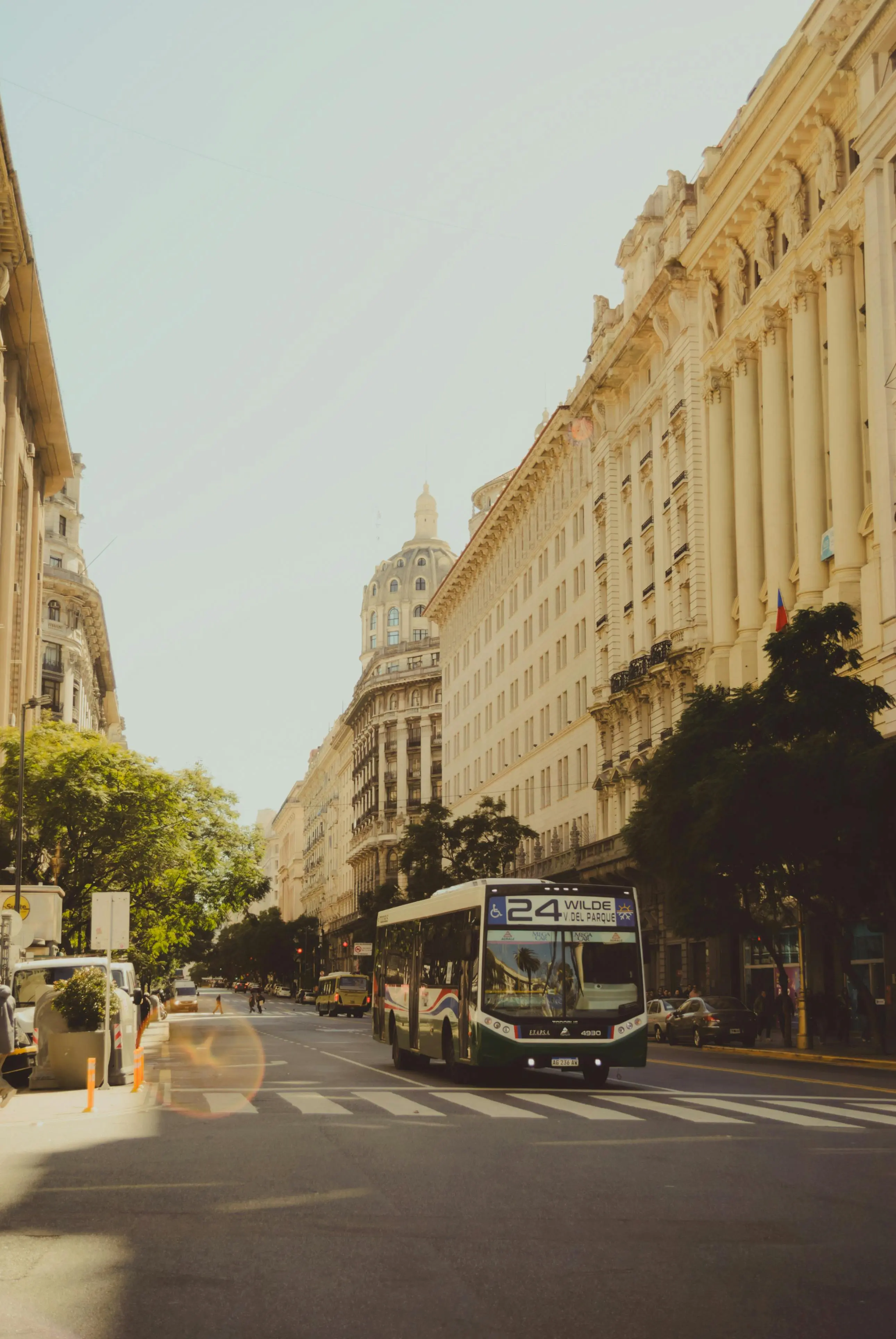
Where to live: Studio apartments from $450/month in old mansions converted to modern housing
Best cafés for remote work with power points and WiFi under $4
Historic landmarks including El Zanjón de Granados tunnels and Casa Mínima, the narrowest house in the city
Sunday flea market at Mercado de San Telmo and Plaza Dorrego antique fairs
Transport connections: 15-minute walk to downtown Buenos Aires, direct bus access to Palermo and Recoleta
Why San Telmo Buenos Aires Works for Digital Nomads
San Telmo combines 17th-century colonial buildings with a modern remote work infrastructure that rivals Palermo at half the rent.
Cost of Living in San Telmo
San Telmo offers the lowest apartment prices in central Buenos Aires while keeping you within walking distance of downtown.
San Telmo positions you within walking distance of the city center while maintaining authentic neighborhood charm.
Studio apartments: $450–600/month in historic buildings with original features
One-bedroom: $650–850/month, many with balconies overlooking cobbled streets
Café lunch with WiFi: $6–8 including coffee at Punto Café or Nica
Coworking day pass: $12 at Workey, La cupula on Defensa
Weekly groceries: $40 at Mercado de San Telmo or Carrefour Express on Chile Street
Internet Speed and Coworking Options
Most cafés and apartments in San Telmo deliver 50–100 Mbps fibre connections suitable for video calls.
Lattente — 80 Mbps, reserved work tables, flat white $3
Benveo Café & Cowork — coworking $250/month, meeting rooms, community events
The Lab Coworking — hot desk $180/month, rooftop terrace, printing included
Residential fibre from Fibertel or Movistar: 300 Mbps plans from $30/month
Timezone and Remote Work Logistics
Buenos Aires operates on Argentina Time (UTC-3) with no daylight saving changes since 2009.
3-hour offset from US East Coast makes morning calls manageable at 10am local time
6-hour offset from London: afternoon meetings align with European mornings
Most San Telmo cafés open 8am–8pm Monday to Saturday, 10am–6pm Sunday
24-hour pharmacies on Avenida San Juan for emergency supplies
Community and Networking
San Telmo's bohemian reputation attracts freelance designers, photographers, and writers to neighbourhood co-living spaces.
Monthly nomad meetups at Gibraltar Bar on Carlos Calvo, free entry
El Burladero — closed-door restaurant hosting English-speaking dinners, $45 per person
Spanish exchange nights at La Poesia bookstore café every Thursday 7pm
Smaller expat scene than Palermo means lower turnover and deeper local connections
The San Telmo neighborhood sits 15 minutes south of downtown Buenos Aires by bus, with direct access to government offices and corporate districts in Monserrat.
Where to Stay: Best Areas in San Telmo for Remote Workers
San Telmo divides into three distinct zones: the tourist-heavy north near Plaza de Mayo, the residential centre around Parque Lezama, and the grittier south toward La Boca.
Calle Defensa: Heart of San Telmo
Defensa runs north-south through San Telmo as the neighbourhood's main artery, packed with antique shops and Sunday market stalls.
Studios $500–700/month in buildings with original 1890s façades and modern interiors
Pride Café — laptop-friendly, cortado $2.50, power at every table
10-minute walk to Subte Line C at Independencia station for direct access to Retiro and Palermo
Sunday market brings 30,000 tourists to Calle Defensa between 10am–5pm, making it noisy but safe.
Pasaje de la Defensa Area
This restored 1880s tenement housing complex at Defensa 1179 now holds art galleries and cafés.
One-bedroom apartments $700–900/month in quiet interior courtyards off the main street
The Coffee Store — single-origin espresso $3, solo remote workers welcome, WiFi password on receipt
Pasaje de la Defensa market on weekends features local designers selling leather goods and ceramics
5-minute walk to El Zanjón de Granados historic tunnels
Explore La Boca in our Buenos Aires neighborhood guide curated for digital nomads and remote workers looking to live and explore the city like a local.
Plaza Dorrego and Humberto Primo
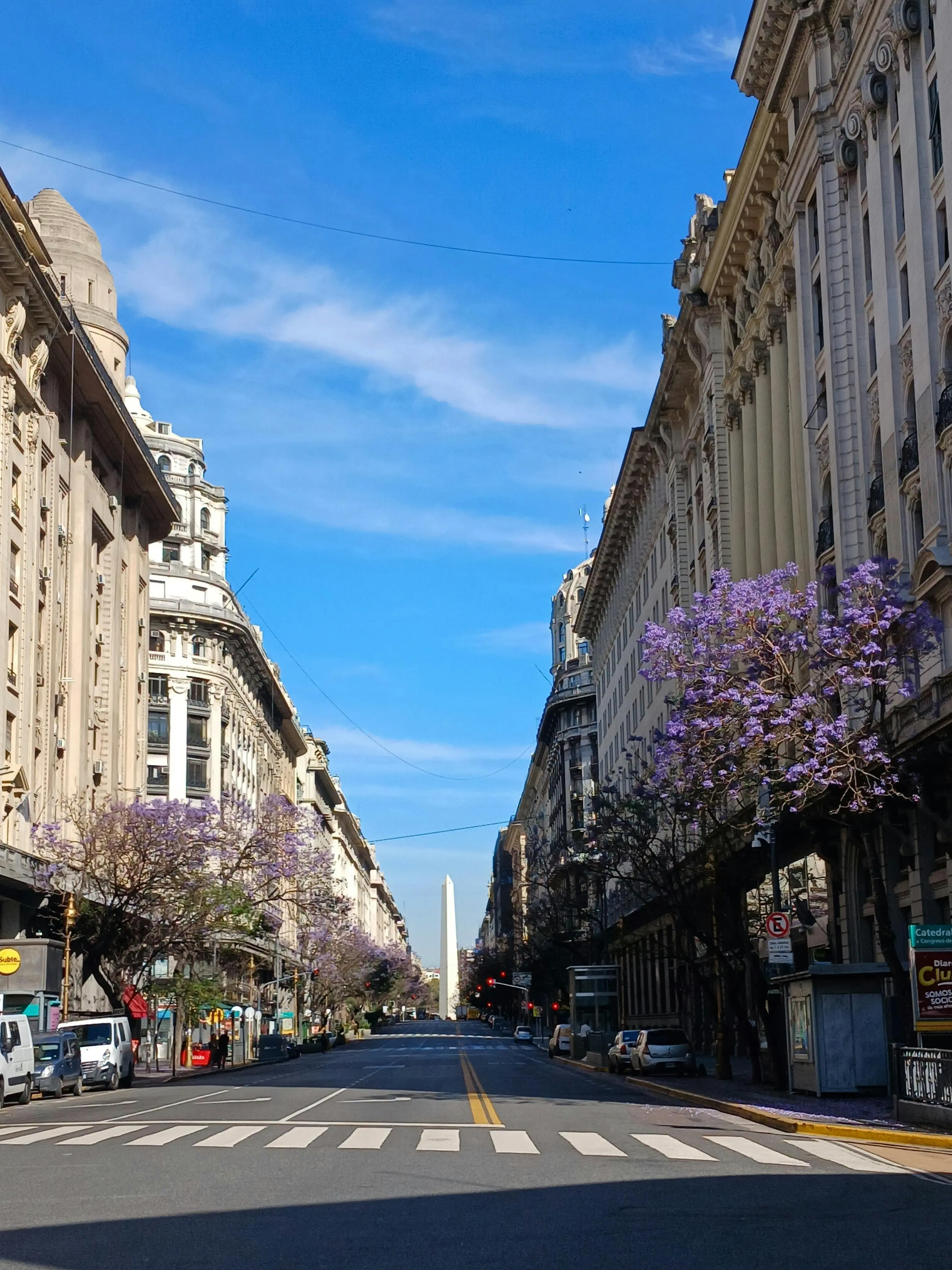
The Plaza Dorrego is the oldest public square in Buenos Aires hosts the famous Sunday antique fair and nightly tango performances.
Furnished apartments $550–750/month with balconies overlooking the plaza
Café Rivas — corner location, medialunas $1.20, tourists clear out after 6pm leaving tables free
Constant street music creates ambient noise — bring noise-cancelling headphones
Walking distance to 15+ restaurants on Humberto Primo between Defensa and Bolivar
Parque Lezama and Avenida Brasil
This residential section south of Plaza Dorrego offers larger apartments and lower tourist traffic.
One-bedroom apartments from $600/month near Parque Lezama green space
Hierbabuena — vegetarian café with terrace seating, lunch special $7
National Historical Museum at Parque Lezama for afternoon breaks between calls
10-minute walk to San Juan metro station on Subte Line C
Streets feel quieter after dark — stick to main avenues Brasil and San Juan at night
Contents San Telmo: Avoid These Blocks
The southern edge of San Telmo near Avenida Caseros becomes less maintained and feels unsafe after 9pm.
Streets south of Parque Lezama toward La Boca lack street lighting and see higher petty crime
Avoid apartments west of Bolivar past Peru Street — too far from cafés and services
Housing near bus terminal at Retiro offers better transport but loses San Telmo's historic character
Explore La Boca in our Buenos Aires neighborhood guide curated for digital nomads and remote workers looking to live and explore the city like a local.
Neighbourhood | Monthly Rent | Vibe | Best For | Key Advantage |
|---|---|---|---|---|
Calle Defensa | $500–700 | Tourist-heavy, historic buildings | Solo digital nomads wanting walkability | Cafés every 50 metres, Sunday market atmosphere |
Pasaje de la Defensa | $700–900 | Art galleries, quiet courtyards | Remote workers needing silence | Interior apartments block street noise |
Plaza Dorrego | $550–750 | Tango shows, constant activity | Extroverts who like street life | Central location, 24-hour safety from foot traffic |
Parque Lezama | $600+ | Residential, local families | Long-term stays over 3 months | Larger apartments, nearby green space |
Browse fully furnished apartments in Buenos Aires with flexible lease terms and included utilities.
San Telmo's History: From Yellow Fever to Bohemian Revival
San Telmo emerged in the 17th century as a working-class neighbourhood for dockworkers and fishermen, then transformed into Buenos Aires' wealthiest district before declining into tenement housing that later attracted artists.
17th–18th Century Origins
Jesuits established "The Residence" in San Telmo during the 1700s to provide charitable support and education to the poor.
Original settlement served the port area where ships arrived from Spain and Portugal
Colonial buildings from this era still stand on Estados Unidos between Defensa and Bolivar
Iglesia San Pedro Telmo built 1734, one of the city's oldest churches
Neighbourhood named after Saint Pedro González Telmo, patron saint of sailors
Mid-19th Century Wealth and the 1871 Yellow Fever Epidemic
San Telmo became the beating heart of Buenos Aires high society in the 1850s before a disease outbreak emptied the mansions.
Wealthy families built opulent homes with Italian marble and French furniture between 1840–1870
Yellow fever epidemic in 1871 killed thousands, triggering a mass exodus north to Recoleta and Palermo
Abandoned mansions converted to conventillos (tenement housing) for European immigrants arriving 1875–1930
El Zanjón de Granados mansion from 1830s preserves underground tunnels used during this era
Immigration Era and Tango's Birth
European immigrants from Spain, Italy, and Portugal flooded San Telmo between 1875 and 1930, transforming it into a working-class neighbourhood where tango culture emerged.
Single-room conventillos housed multiple families in former mansions, creating dense community life
Tango developed in San Telmo's crowded tenements and bars as a fusion of African, European, and gaucho music
El Viejo Almacén — tango venue operating since 1880s, now a dinner-show theatre
Casa Mínima at Pasaje San Lorenzo 380, measuring 2.5 metres wide, built by freed slaves after 1813 abolition
Mid-20th Century Artistic Renaissance and Mercado San Telmo
Local artists began moving to San Telmo in the 1950s, drawn by cheap rents and historic architecture.
Painters, sculptors, and writers converted old buildings into studios and galleries
Sunday antique market launched in Plaza Dorrego during the 1970s, attracting tourists back to the neighbourhood
Mercado de San Telmo reopened as a food and craft market after decades of neglect
Contemporary art galleries now occupy former warehouses on Estados Unidos and Chile streets
San Telmo Today: Balancing Tourism and Local Life
The neighbourhood's bohemian character persists despite growing tourist numbers every Sunday at the Feria de San Telmo.
Antique shops and tiendas de antigüedades line Defensa, selling everything from vinyl records to 1920s furniture
Local families still live in San Telmo's interior blocks away from tourist routes
Street art covers walls on Pasaje Giuffra and Balcarce, with new murals appearing monthly
Russian Orthodox Cathedral at Brasil 315 with distinctive blue domes serves the neighbourhood's Russian community since 1901
This history makes San Telmo one of the city's most layered neighbourhoods, where 400 years of architecture exists on the same block.
What to Do in San Telmo: Historic Landmarks and Contemporary Art
San Telmo packs museums, art galleries, and colonial landmarks into 1.2 square kilometres, all reachable on foot from Plaza Dorrego. The neighborhood's live music scene includes venues like La Trastienda, once featured in rolling stone, hosting tango and rock nacional shows nightly.
Over 80 antique stores line Defensa Street between Chile and San Juan, selling everything from vintage tango posters to colonial-era furniture. Historic establishments like los cafés along Defensa Street have served cortados and medialunas since the early 1900s.
The San Telmo market operates daily from 10am to 8pm, with over 200 permanent stalls selling antiques, leather goods, and local crafts.
Mercado de San Telmo: National Historic Monument
This covered market opened in 1897 as an old market hall designed by architect Juan Antonio Buschiazzo, now holding 200+ vendor stalls.
Antique dealers sell silverware, vintage cameras, and military medals Thursday–Sunday
Food stalls offer empanadas $1.50, choripán $3, fresh pasta from $4/kg
Mercado San Telmo open Monday–Saturday 8am–7pm, Sunday 10am–5pm
Original iron structure and skylights preserved from 1897 construction
Mercado San Telmo sits at Defensa 963, 3-minute walk from Plaza Dorrego
Plaza Dorrego: Tango and the Sunday Market
The neighbourhood's main square hosts the wonderful Feria de San Telmo every Sunday, drawing 30,000 visitors to browse 270 antique vendors.
Sunday market runs 10am–5pm along Defensa from Humberto Primo to San Juan station
Street tango performances start around 2pm near Plaza Dorrego
Antique shops circle the plaza selling furniture, jewellery, and leather goods
Grab a table at Bar Plaza Dorrego to watch dancers while drinking Quilmes beer $3
Weekday plaza stays quiet with local families — best time to sit and work from café tables
El Zanjón de Granados: Underground Tunnel Network
This 1830s mansion hides a network of tunnels and waterways used during colonial times for water distribution.
Zanjón de Granados at Defensa 755 offers guided tours $25, 90 minutes
Tours reveal archaeological layers from 1730s to present, including original water systems
Restored building shows how wealthy families lived before the yellow fever epidemic
Book tours online — maximum 15 people per group, English tours at 11am and 3pm Tuesday–Sunday
Photography allowed in certain rooms showcasing period furniture and spiritual house altars
Casa Mínima: The Narrowest House in Buenos Aires and the Ezeiza Family
Built in 1813 by the Ezeiza family after slavery abolition, this 2.5-metre-wide building at Pasaje San Lorenzo 380 holds a single room per floor.
Casa Mínima viewable from street only — not open for interior visits
Three stories tall with original facade preserved, painted yellow and blue
Located in Pasaje San Lorenzo alley, 5-minute walk south from Plaza Dorrego
Freed slaves built these narrow structures on unused plots after gaining property rights in 1813
Contemporary Art Galleries in San Telmo and Galería Solar de French
Former warehouses and mansions now house 40+ art galleries showing Argentine and artists from around the world.
Galería Solar de French — free entry, great place to explore rotating exhibitions of contemporary art, open Thursday–Sunday 2pm–8pm
Fundación Proa — modern art museum in La Boca, 20-minute walk from San Telmo if you map it, $8 entry
Jardín Oculto at Pasaje Lanín 3173 shows street art and graffiti exhibitions
First Friday gallery walk monthly — 25+ galleries stay open until 11pm with free wine
Most galleries cluster on Estados Unidos between Bolivar and Defensa
Museums and Historic Buildings
San Telmo concentrates more historic landmarks per block than any Buenos Aires neighbourhood.
National Historical Museum at Parque Lezama displays artifacts from Argentine independence, free entry Wednesday, $3 other days
Museo Penitenciario — former prison at Humberto Primo 378, shows history of Buenos Aires justice system, $2 entry
Mafalda Statue at corner of Defensa and Chile honours comic character created by Argentine cartoonist Quino
Russian Orthodox Cathedral — blue-domed church from 1901, free to visit during services
Most museums close Mondays, with free admission days on Wednesdays making it the best day to visit San Telmo's cultural sites.
Where to Stay in San Telmo Buenos Aires
San Telmo accommodation ranges from budget hostels to luxury hotels, with most properties located within walking distance of Plaza Dorrego.
Most affordable guesthouses are located between Avenida Independencia and Parque Lezama, offering monthly rates from $450-650 USD.
Best Hotels and Guesthouses
Boutique hotels in San Telmo occupy restored colonial buildings with original features.
Mansion Dandi Royal — Piedras 922, rooms from $95/night, rooftop terrace with city views
Poetry Building — Chacabuco 847, suites from $110/night, courtyard café serving breakfast
Tango de Mayo Hotel — Av de Mayo 1370, doubles from $80/night, includes tango show tickets
Patios de San Telmo — Chacabuco 752, rooms from $120/night, contemporary art displays in common areas
Furnished Apartments for Remote Workers
Monthly rentals in San Telmo provide better value than hotels for stays over two weeks.
Studios near Pasaje de la Defensa from $1000/month with WiFi and weekly cleaning
One-bedroom apartments on cobbled streets south of Carlos Calvo from $750/month
Two-bedroom units near Parque Lezama from $950/month, suitable for sharing
Most fully furnished apartments in Buenos Aires include utilities and building fees in monthly rent
Book accommodation near the north end of San Telmo for quieter streets while maintaining easy access to downtown Buenos Aires attractions.
Getting Around San Telmo and Buenos Aires
San Telmo sits 2km south of Plaza de Mayo, connected to the rest of Buenos Aires by Subte lines, buses, and bike paths.
Public Transport Access
The neighbourhood has no Subte stations, but connects to three metro lines within 10 minutes' walk.
Línea C: Independencia station at Av Independencia and Entre Ríos, 8-minute walk from Plaza Dorrego
Línea E: Belgrano station at Av Belgrano and Lima, 6-minute walk from Calle Defensa
SUBE card costs $1 to purchase, metro rides $0.30, works on all buses and trains
Buses 29, 86, and 130 run through San Telmo connecting to Recoleta, Palermo, and La Boca
Night buses (colectivos nocturnos) operate 1am–6am with same SUBE card pricing
Walking and Cycling Routes
San Telmo's compact size makes walking the primary transport method for most residents and tourists.
Defensa street walk from Plaza de Mayo to Parque Lezama takes 20 minutes, passes major landmarks
EcoBici stations at Paseo Colón and Brasil, free bike share requires Argentine ID or tourist registration
Protected bike lane on Paseo Colón connects San Telmo to Puerto Madero in 5 minutes
Downtown Buenos Aires core sits 15-minute walk north via Bolívar or Defensa
Taxis and Ride-Sharing
Yellow-and-black taxis operate on meters while ride-share apps offer upfront pricing.
Taxi flagfall $1, then $0.50 per kilometer, cash or card accepted in most vehicles
Uber and Cabify operate throughout Buenos Aires, rides to Palermo $4–6
DiDi offers cheapest rates, airport to San Telmo $12–15 depending on time
Street-hailed taxis more reliable than apps during Sunday market crowds
Purchase SUBE cards at kiosks displaying the card logo, requiring passport or DNI for activation with 48-hour tourist access.
Practical Information for Visiting San Telmo
San Telmo operates on Argentina's rhythms, with late dining hours, afternoon closures, and Sunday as the busiest day.
Safety Tips and Local Awareness
San Telmo sees petty theft targeting tourists during market days and evening hours on quieter streets.
Keep phones in front pockets on Defensa during Sunday market when crowds peak 2pm–6pm
Streets south of San Juan become less trafficked after dark, use well-lit Paseo Colón instead
ATM withdrawals safest inside shopping centers or during daylight hours at bank branches
Avoid displaying cameras on straps while walking, hold equipment in hand or bag
Police station at Av Brasil 1551 operates 24 hours, tourist police speak English
Money and Banking in Buenos Aires
Argentina's dual exchange rate system means cash USD receives better rates than card payments or official ATM withdrawals.
Western Union transfers get "blue dollar" rate, approximately 50% better than official rate
ATM daily limit $50–100 depending on bank, fees $4–6 per withdrawal
Cuevas (unofficial exchange houses) on Florida Street in downtown Buenos Aires offer best cash rates
Restaurants and cafes increasingly accept USD cash at favorable rates posted daily
Credit cards charge official rate plus 3% foreign transaction fee, avoid for large purchases
Language and Communication
Spanish dominates San Telmo with Argentine accent and local slang differing from other Spanish-speaking countries.
English speakers concentrated in hotels and tourist-focused restaurants on Defensa
Cafés and bars staffed by locals require basic Spanish for ordering
Google Translate sufficient for menu reading and basic transactions
"Che" used as casual greeting similar to "hey" in English
Portuguese speakers from Brazil visit frequently, some businesses offer basic Portuguese service
Best Times to Visit San Telmo
San Telmo's peak season runs October–December and March–May when temperatures suit outdoor exploration.
April and November offer ideal weather (15–25°C) with fewer tourists than summer months
January–February brings heat over 30°C and closed businesses as porteños vacation
Winter (June–August) sees temperatures 8–15°C, perfect for museum visits and indoor tango shows
Sunday market operates year-round regardless of weather, with canopies protecting vendors
Book accommodation 3+ weeks ahead for October weekends when locals visit Buenos Aires
Restaurants in San Telmo serve dinner from 8pm onward, with kitchens staying open past midnight on weekends to match local dining schedules.
Day Trips and Nearby Neighbourhoods from San Telmo
San Telmo's central location provides easy access to contrasting Buenos Aires neighborhoods and regional destinations within day-trip range.
For river views, san pedro heights in nearby San Isidro offers colonial architecture and weekend artisan markets, accessible via the Tren de la Costa.
Puerto Madero, the city's modern waterfront district, is just 15 minutes away on foot with contemporary dining and riverside paths.
La Boca and Caminito
The colorful port neighborhood sits 20 minutes south of San Telmo on foot or 10 minutes by bus.
Caminito street museum features painted houses built by Italian immigrants, free to walk
La Bombonera stadium at Brandsen 805, Boca Juniors match tickets from $20, tour $8
Fundación Proa contemporary art gallery at Av Pedro de Mendoza 1929, exhibitions $4 entry
Avoid walking alone after 6pm, stick to main tourist corridor between Caminito and stadium
Puerto Madero Waterfront
Buenos Aires' newest district borders San Telmo to the east with modern dining and walking paths.
Puente de la Mujer pedestrian bridge designed by Santiago Calatrava, free access 24 hours
Ecological Reserve 4km walking/cycling path along Río de la Plata, free entry at Av Tristán Achával Rodríguez
Elena restaurant at Four Seasons hotel, steaks from $25, reservations required weekends
15-minute walk from Plaza Dorrego via Paseo Colón bike path
Tigre Delta and River Trips
The Paraná River delta provides nature escape 40 minutes from downtown Buenos Aires by train.
Tren de la Costa departs Retiro station hourly 8am–8pm, $3 round trip to Tigre
Delta boat tours from $12 for 1-hour circuit, $35 for half-day with lunch
Museo de Arte Tigre in former social club, permanent collection free Wednesdays
Weekend crowds peak 11am–3pm, visit weekday mornings for quieter waterways
Colonia del Sacramento in Uruguay sits 1 hour from Buenos Aires by ferry, making it a popular day trip for travelers wanting a second country stamp.
Working from traditional cafes like Bar Plaza Dorrego costs around $3-4 for a cortado with medialunas, with reliable WiFi and power outlets.
Monthly Living Costs in San Telmo
Remote workers in San Telmo spend less than in northern Buenos Aires neighborhoods while accessing the same amenities.
Accommodation and Utilities
Rental prices in San Telmo undercut Palermo and Recoleta by 20–30% for comparable spaces.
Studio apartments with WiFi and cleaning $600–800/month depending on building age
One-bedroom units near market $750–950/month, higher on quiet streets with parking
Utilities (electricity, gas, water) average $40–60/month in summer, $80–100 in winter with heating
High-speed internet installation $50 one-time, monthly service $25 for 100Mbps
Building fees (expensas) $30–80/month, included in some furnished rentals
Food and Dining Expenses
Eating locally in San Telmo costs half the price of tourist-focused restaurants on Defensa.
Lunch menu at neighborhood cafés $6–8 including drink and coffee
Empanadas $0.80–1.20 each at bakeries, minimum 6-piece order typical
Supermarket groceries for cooking at home $150–200/month for solo remote worker
Dinner with wine at mid-range restaurant $18–25 per person
Coffee at corner cafes $1.50, compared to $3 at specialty spots on Defensa
Coworking and Work Spaces
San Telmo lacks dedicated coworking facilities but offers café culture suitable for remote work.
Pride Café at Carlos Calvo 683, strong WiFi, unlimited stay with $4 purchase
Urban Station coworking in Puerto Madero, 15-minute walk, day pass $12
La Barra, opens 7am, laptop-friendly with power outlets
Most accommodation includes work desk and ergonomic chair as standard
Total monthly budget for comfortable living in San Telmo ranges $1,200–1,600 including rent, food, transport, and entertainment.
Conclusion: Why San Telmo Works for Remote Workers
San Telmo blends authentic Buenos Aires character with practical infrastructure for digital nomads. The neighbourhood maintains local culture without sacrificing modern amenities, offering lower costs than northern districts while staying central. Cobbled streets lined with cafés provide natural workspaces, and Sunday markets create community without tourist-trap pricing. The balance between old Buenos aires charm and contemporary functionality makes San Telmo practical for month-long stays, especially for travelers valuing history and walkability over nightlife. Direct metro access, affordable fully furnished apartments in Argentina, and Spanish immersion opportunities complete the remote work package in one of South America's most compelling neighborhoods.